
Pharma Lab
Research Peptide Specialists
An all-in-one guide covering 65 unique research compounds, every delivery format, rigorous quality assurance, worldwide logistics, and the expert support that laboratories, universities and research professionals rely on.
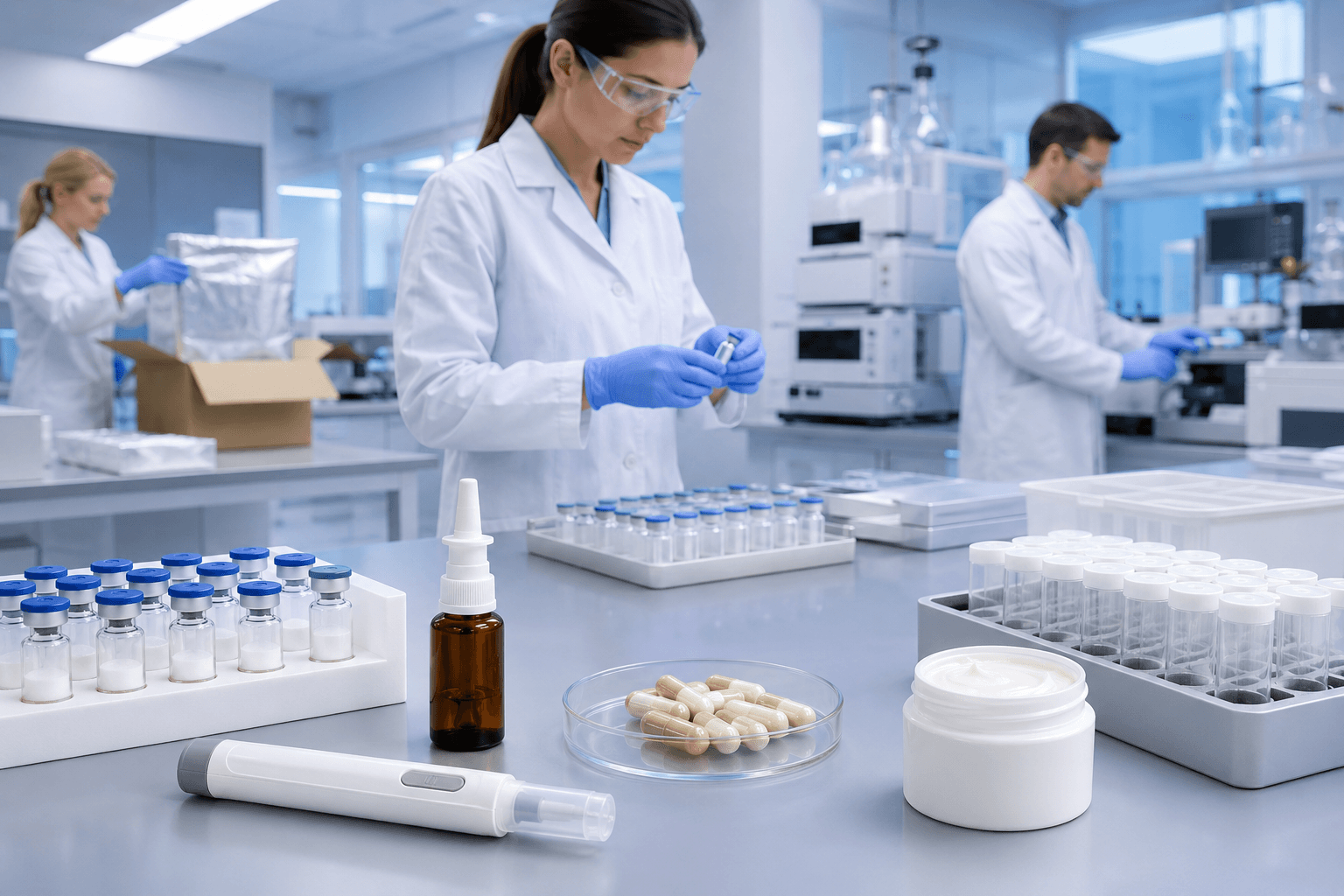
Research is never done in isolation, and neither is the supply chain that supports the work. For any laboratory requiring research peptides, the need extends well beyond a vial arriving in the post. Researchers need a supplier that understands what they are doing, carries the exact compounds their protocols call for, ensures uncompromising purity standards, and delivers on a dependable timeline as project deadlines approach. That is precisely the purpose Pharma Lab was designed to serve.
This is a complete description of every service Pharma Lab provides to the research community. It covers the full peptide catalogue 65 unique research compounds subdivided according to their respective scientific domains alongside every delivery format, quality assurance procedure, logistics service, and support resource available. Purchase Cartalax peptide vial from France. Whether a laboratory conducts studies on growth hormone physiology, tissue repair, immune function, neurochemistry, or anti-aging biology, what follows maps out how Pharma Lab can serve as the reliable single source for the entire research workflow.
The catalogue covers lyophilized vials, pre-formulated nasal sprays, pre-mixed pen devices, oral capsules, topical formulations, proprietary blends, and combination packages. All products undergo HPLC purification and mass spectrometry verification. All orders are dispatched within 24 to 48 hours with tracking to the United Kingdom, Europe, the United States, and the rest of the world. A support team that monitors communications around the clock responds to every enquiry with genuine expertise. This is not a partial offering. It is an all-inclusive service designed to be the one supplier researchers can rely on entirely.

The science of growth hormone is one of the most active and well-researched areas of peptide study, and Pharma Lab supports it with one of the deepest compound selections available from a single supplier. The catalogue features eleven individual compounds that enable researchers to investigate GH secretion, regulation, receptor dynamics, and downstream metabolic responses from multiple angles. Whether the research involves pituitary function, body composition, cellular repair, or age-related hormonal decline, Pharma Lab's growth hormone peptide range provides what is needed.
The GHRP family of peptides stimulate growth hormone release by targeting the pituitary ghrelin receptor. GHRP-2 is a potent synthetic GH secretagogue most commonly used in studies investigating the dose-dependent GH response and appetite signalling. GHRP-6, another compound in the same family, remains important in comparative GH studies while also offering characteristics relevant to researchers examining ghrelin receptor sensitivity and gastric motility. Hexarelin acts through a similar mechanism but has received particular attention for its potential cardioprotective function, making it an interesting compound for those studying both GH physiology and cardiovascular function. One of the most notable features of Ipamorelin is its selectivity it stimulates GH release with little to no change in cortisol and prolactin, making it one of the preferred compounds when clean, isolated GH responses are required.
While GHRPs act on the ghrelin receptor, GHRH analogues work through the GHRH receptor of pituitary somatotrophs. CJC-1295 DAC is a long-lasting analogue whose drug affinity complex gives it a half-life measured in days, making it particularly useful for prolonged GH studies. CJC-1295 No-DAC, also known as Modified GRF 1–29, does not contain the affinity complex and has a more rapid half-life, making it well suited to protocols that require acute GH stimulation in pulses. Get Cartalax peptide vial in Italy. Sermorelin is perhaps the most widely recognised GHRH analogue, having been investigated for several decades to understand the features of natural GH secretory physiology and the implications of GHRH changes on GH production with age. Tesamorelin has drawn particular research interest for visceral fat reduction and metabolic health, supported by its established effects on abdominal adipose tissue in human clinical studies.
MK-677, also known as Ibutamoren, holds a distinctive place among GH research tools. It is an orally active ghrelin receptor agonist that stimulates GH release via the ghrelin receptor but has the very important practical feature of oral bioavailability, which makes it particularly useful for longer-duration studies where daily injection protocols are impractical. HGH 191AA, on the other hand, is recombinant human growth hormone the full-length 191 amino acid form used in studies evaluating the physiological effects of growth hormone itself. HGH Fragment 176-191 is a truncated growth hormone molecule corresponding to the 176–191 amino acid sequence, the portion of the GH molecule associated with lipolytic activity relevant in studies that seek to separate the fat metabolism effects of GH from its other hormonal effects.
Combined, these eleven compounds give Pharma Lab one of the most complete growth hormone research peptide services available in terms of depth. From a single supplier with uniform qualification standards, researchers can assess GH release from different receptor pathways, compare short-acting and long-acting analogues, evaluate oral versus injectable secretagogues, and study the full-length hormone alongside its metabolically active fragment.

Tissue repair is where peptide research often meets its most tangible applications. Compounds in this category are studied for their effects on the regeneration of muscle, tendon, ligament, and gastrointestinal tissue, as well as the inflammation associated with damage and recovery. Pharma Lab's tissue repair peptide service centres on five distinct compounds, each targeting different elements of the healing response.
BPC-157 is the leading compound in this category and one of the most extensively studied peptides in preclinical tissue repair research. Isolated from a naturally occurring protective protein found in human gastric juice, BPC-157 has demonstrated angiogenic, collagen-stimulating, and anti-inflammatory effects in multiple animal models. Its research applications span muscle recovery, tendon healing, joint repair, and gastrointestinal tissue preservation. Pharma Lab stocks BPC-157 in practically every available format — vials, nasal sprays, pre-mixed pens, and capsules — giving researchers the freedom to design their experiments as they see fit.
TB500, a synthetic version of Thymosin Beta-4, works alongside BPC-157 but through different pathways in natural tissue repair. It is primarily investigated for its effects on cell migration, angiogenesis, and the regulation of inflammatory responses following tissue injury. While BPC-157 performs particularly well in studies of the gastrointestinal and musculoskeletal systems, TB500 lends itself well to investigations focusing on cardiac tissue repair and more general healing models. Buy Gonadorelin peptide. Many researchers study both compounds as potentially synergistic agents, which is why Pharma Lab offers TB500 and BPC-157 blends.
The category is rounded out by growth factor peptides. Mechano Growth Factor, known as MGF Peptide, is a splice variant of IGF-1 studied for its role in muscle repair after damage. PEG-MGF is the PEGylated form of MGF, designed to prolong the half-life and enable the study of sustained effects on muscle activity. IGF-1 LR3 is a form of Insulin-like Growth Factor 1 with an extended presence in the bloodstream, frequently included in studies on muscle cell growth, stem cell proliferation, and metabolic regulation. Together, these growth factors form a research toolkit that allows investigators to explore the signalling cascades that promote tissue repair and regeneration at a molecular level.

The immune system is one of the most complex biological networks in the body, and studying it requires compounds that can target distinct immune pathways with precision. Pharma Lab offers six peptides related to immune research that cover a range of areas, including T-cell biology, thymic function, antimicrobial defence, anti-inflammatory modulation, and antioxidant protection.
Thymosin Alpha-1 is the centrepiece of this category. It is one of the most widely researched immune-modulating peptides in the scientific literature and has been shown to enhance T-cell differentiation, activate cytokine production, and stimulate natural killer cells and dendritic cells. Research applications include studies of immunosenescence, chronic infection models, and autoimmune investigation. Thymalin, another thymic peptide, has been evaluated specifically for restoring immune competency in models focused on diminished T-cell output due to age-related thymic involution — essentially, understanding how reinstating thymic function might improve weakened immunity in aging populations. The thymic peptide trio is completed by Vilon, a short bioregulator peptide that works at the level of DNA and chromatin, influencing gene expression associated with the differentiation and function of various types of immune cells. Vilon is of particular interest to researchers engaged in cellular aging, immune gene regulation, and long-term resilience against infection.
KPV is an anti-inflammatory tripeptide that originates from the cleavage of alpha-melanocyte-stimulating hormone and has been studied for its potential effects on the modulation of inflammatory immune responses through interaction with NF-kB signalling pathways. LL-37 is a broad-spectrum human cathelicidin antimicrobial peptide active against bacteria, fungi, and viruses, making it useful for researchers working in the field of innate immune defence and host-pathogen interactions. L-Glutathione, the body's most abundant endogenous antioxidant, is offered by Pharma Lab for studies of oxidative stress, detoxification pathways, and redox balance in relation to immune cell function.

As the global prevalence of obesity and type 2 diabetes has grown over the past three decades, few areas of peptide science have developed as dynamically as those focused on understanding energy metabolism at a molecular level. Pharma Lab supplies eight compounds that together cover the key metabolic pathways currently under active investigation.
5-Amino-1MQ is a small-molecule inhibitor of NNMT, or nicotinamide N-methyltransferase, an enzyme that regulates adipocyte energy balance and fatty acid metabolism. AOD-9604 is a peptide analogue based on the 176–191 amino acid region of human growth hormone, researched primarily because it possesses lipolytic activity without the broader hormonal effects of full-length GH. FTPP Adipotide uses an entirely different approach — it is a peptidomimetic being tested for its ability to target the blood vessels supplying white adipose tissue, relevant for researchers investigating vascular-targeting strategies as a method for visceral fat reduction.
Tesofensine holds a distinctive position in metabolism research. A triple monoamine reuptake inhibitor, it simultaneously inhibits the uptake of dopamine, serotonin, and norepinephrine. Originally developed within neurodegenerative disease research, it drew attention for its notable appetite suppression and energy expenditure promotion. Pharma Lab provides Tesofensine in capsule form for oral administration research protocols.
AICAR is an AMP-kinase activator studied for its potential influence on cellular energy homeostasis and endurance physiology. AMPK Peptide directly stimulates the AMP-activated protein kinase pathway, a central regulator of how cells sense and respond to energy needs. Both are essential for researchers studying cellular energy regulation. MOTS-c, a mitochondrial-derived peptide, has attracted considerable scientific interest for its effects on metabolic regulation, insulin sensitivity, and exercise physiology, reflecting the growing field of mitochondrial peptidomics — research focused on peptides produced by mitochondria that have system-wide metabolic impact. NAD+, nicotinamide adenine dinucleotide, is important for both longevity and metabolic research, as it supports investigations into mitochondrial energy production, DNA repair, and sirtuin signalling that modulates metabolic homeostasis.

The brain is the most complex organ in the human body, and peptides that modulate neural function, cognitive performance, mood regulation, and neuroprotection are among the most valuable tools available to neuroscientists. Pharma Lab's neuroscience peptide services span ten compounds covering cognitive enhancement, anxiolytic research, sleep regulation, neuroprotection, and neurogenesis.
Selank is a synthetic analogue of the immunomodulatory peptide tuftsin, studied primarily for its anxiolytic and cognitive-enhancing properties. Research has investigated its effects on neurotransmitter balance, particularly with regard to GABA-ergic transmission, and its potential for reducing anxiety without the sedative effects associated with benzodiazepines. Semax is a synthetic fragment of adrenocorticotropic hormone that has been modified and studied for its neuroprotective effects and its ability to increase brain-derived neurotrophic factor expression. Semax is especially valuable for researchers focused on stroke recovery, cognitive decline, and neuroplasticity. Adamax, a well-known derivative of Semax with improved stability, extends this area of research into studies that require a longer-acting nootropic compound.
Delta Sleep-Inducing Peptide is studied for its role in sleep architecture, circadian rhythm regulation, and stress response modulation. It occupies a unique position among peptides specifically tied to sleep studies, making it a distinctive offering from Pharma Lab. Orexin A, an excitatory neuropeptide synthesised in the hypothalamus, is recognised as one of the key molecules involved in regulating wakefulness, arousal, and appetite. It is intended for researchers studying narcolepsy, sleep-wake disorders, and the neural circuits that control alertness and energy balance.
Pinealon is a short bioregulator peptide that has been investigated for its effects on brain cell function and gene expression related to neuroprotective processes and circadian rhythm regulation. It is of particular interest to researchers studying age-related cognitive decline and the molecular mechanisms of neuronal aging. Humanin, a mitochondria-derived peptide, has been implicated in cytoprotection and neuronal survival against stress-induced cell death. Research applications include models of Alzheimer's disease, mitochondrial dysfunction, and cellular stress response pathways. ARA-290, a non-erythropoietic peptide derived from erythropoietin, has undergone experimental evaluation for its anti-inflammatory and neuroprotective properties, attracting research interest in the context of neuropathic pain and small fibre neuropathy.
P-21 Peptide was designed to reproduce the neurotrophic effects of ciliary neurotrophic factor and has been studied for its ability to stimulate neurogenesis — the formation of new neurons in the brain. This makes it applicable to research on cognitive decline, neurodegenerative disease, and brain plasticity. VIP, or vasoactive intestinal peptide, serves a dual role in this category, studied both as a neuroprotective agent and for its effects on respiratory function through airway relaxation and anti-inflammatory signalling in lung tissue.

Longevity science is shifting from the periphery of academic research to the centre of modern biology, and some of the most fascinating compounds in the Pharma Lab catalogue belong to this field. The anti-aging service encompasses five peptides that address longevity through two distinct pathways: systemic cellular aging and dermatological aging.
Epithalon is a synthetic analogue of the naturally occurring polypeptide epithalamin, which is produced by the pineal gland. It is studied primarily for its ability to influence telomerase — the enzyme responsible for maintaining the ends of chromosomes. Telomere shortening is one of the most well-characterised molecular processes associated with aging, and compounds that may modulate telomerase activity continue to attract significant attention from longevity researchers. Epithalon has an extensive body of preclinical literature behind it and is one of the most sought-after anti-aging research peptides worldwide.
FOXO4-DRI represents a breakthrough in senolytic research. It is a synthetic peptide that interferes with the ability of the FOXO4 protein to interact with p53 in senescent cells — permanently arrested cells that do not enter programmed cell death and accumulate within tissues, secreting pro-inflammatory mediators that damage surrounding healthy cells. By selectively blocking FOXO4 from rescuing these cells, FOXO4-DRI restores p53 activity and enables programmed cell death, thereby eliminating senescent cells while preserving healthy tissue. Animal studies have shown improvements in tissue regeneration and function, making FOXO4-DRI one of the most promising compounds to emerge from senolytic research to date.
In the dermatological space, GHK-Cu is a naturally occurring copper peptide investigated for its role in wound healing, collagen and elastin synthesis, and extracellular matrix remodelling. It is relevant to both systemic aging research and skin-specific investigation. SNAP-8 is an octapeptide that modulates the SNARE complex involved in neurotransmitter release at the neuromuscular junction and has been studied for its ability to reduce the appearance of expression lines in skin. Matrixyl, a palmitoylated peptide researched for its effects on stimulating collagen synthesis from dermal fibroblasts, is widely used in both cosmetic and dermatological anti-aging studies. Pharma Lab offers both SNAP-8 and Matrixyl in topical research formulations for localised application.

Reproductive biology and hormonal regulation are among the oldest and most well-established fields in peptide research. Pharma Lab's ten compounds in this category span all aspects of this discipline, from gonadotropin-releasing hormone pathways to melanocortin receptor biology, neuroendocrine signalling, and reproductive tissue function.
Gonadorelin is a synthetic form of gonadotropin-releasing hormone, used in research into the hypothalamic-pituitary-gonadal axis and its regulation of reproductive hormones. HCG peptide serves as a signal for luteinizing hormone receptor studies with applications in fertility and gonadal function research. HMG Peptide, combining follicle-stimulating hormone and luteinizing hormone activity, is used in research on ovarian stimulation and gonadal responsiveness. Kisspeptin is a neuropeptide at the top of the GnRH cascade that has been studied as one of the primary regulators of reproductive hormone release and the onset of puberty. Triptorelin is a long-acting GnRH agonist used in studies investigating sustained modulation of gonadotropin secretion and its downstream effects on sex steroid production.
The melanocortin pathway peptides add a further dimension. PT-141 is a melanocortin receptor agonist studied for its effects on sexual function, operating primarily through the melanocortin-4 receptor. Melanotan 1 is an analogue of alpha-melanocyte-stimulating hormone investigated for melanocortin receptor activity and melanin production. Melanotan 2 is a shorter, non-linear analogue with broader receptor activity, studied in melanogenesis, sexual function, and appetite-related melanocortin research.
Oxytocin, often described as the social bonding peptide, is a neuropeptide implicated in trust, maternal bonding, anxiety modulation, and neuroendocrine signalling. B7-33, an analogue of relaxin, serves as a research tool for studies of fibrosis, reproductive tissue remodelling, and the relaxin receptor pathway relevant to cardiovascular and reproductive physiology. Together, these ten compounds make Pharma Lab a comprehensive single source for reproductive and hormonal biology research.

Musculoskeletal research addresses some of the most debilitating conditions associated with aging and disease, from sarcopenia and muscular dystrophy to osteoporosis and impaired bone healing. Pharma Lab provides four targeted compounds that make possible studies on muscle growth regulation, myostatin inhibition, and bone regeneration.
ACE-031 is a soluble decoy receptor for the activin type IIB receptor, where it functions as a myostatin trap. By binding myostatin before it can interact with its natural receptor, ACE-031 neutralises myostatin's ability to inhibit muscle growth. This makes it an important tool in research on muscle wasting conditions and strategies to increase lean mass. Follistatin 344 accesses the same pathway through a different mechanism, as it is a naturally occurring glycoprotein that binds and neutralises both activin and myostatin. It has been investigated for its strong effects on muscle growth, with potential relevance for conditions defined by progressive loss of muscle tissue.
GDF-8 Myostatin itself is provided by Pharma Lab as a research reagent, enabling scientists to study myostatin directly — understanding its signalling mechanisms, the relationship between dose and response, and how muscle tissue reacts to different levels of myostatin. PTD-DBM addresses the bone research side of musculoskeletal science. It is a peptide studied for its potential effects on osteoblast differentiation and bone formation, often included in research on osteoporosis, fracture healing, and the development of anabolic bone therapies.

Beyond the major research categories, Pharma Lab's catalogue continues to broaden, now incorporating a scope of peptide science in advanced and speciality areas at the forefront of discovery. Researchers working in respiratory biology, cartilage regeneration, oncology, thyroid function, and novel delivery mechanisms are among those using these compounds.
Bronchogen is a short bioregulator peptide directed at respiratory tissue, with particular interest in its effects on bronchial epithelial cells. Its relevance extends to research on lung function maintenance, chronic obstructive conditions, and respiratory molecular biology. Cartalax is a second bioregulator peptide, this one focused on cartilage tissue. Investigated for its effect on chondrocyte function and cartilage matrix homeostasis, it is valuable for the study of osteoarthritis and joint degeneration.
PNC-27 occupies an unusual niche within the catalogue. It is a synthetic peptide containing a fragment of the p53 tumour suppressor protein linked to a membrane-penetrating sequence. Research has been directed toward its preferential binding with cancer cell membranes, making it relevant for oncologists investigating targeted anti-cancer therapies at the peptide level. Protirelin TRH, or thyrotropin-releasing hormone, is a tripeptide that stimulates the secretion of thyroid-stimulating hormone from the anterior pituitary and is useful for researchers investigating thyroid axis regulation, neuroendocrine feedback loops, TSH-mediated metabolic effects, and peripheral signalling responses.
Human C is a research-only peptide available for daily use in select experimental circumstances, designed at the request of investigators. The specialised line is rounded out by a Vitamin B12 nasal spray, a proprietary development from Pharma Lab as a nasally delivered formulation for researchers studying intranasal absorption profiles and the extent of B12 absorption through the nasal mucosa. That the catalogue includes these specialised compounds demonstrates that Pharma Lab is not limiting itself to mainstream categories — it is actively supporting the advancement of scientific frontiers.
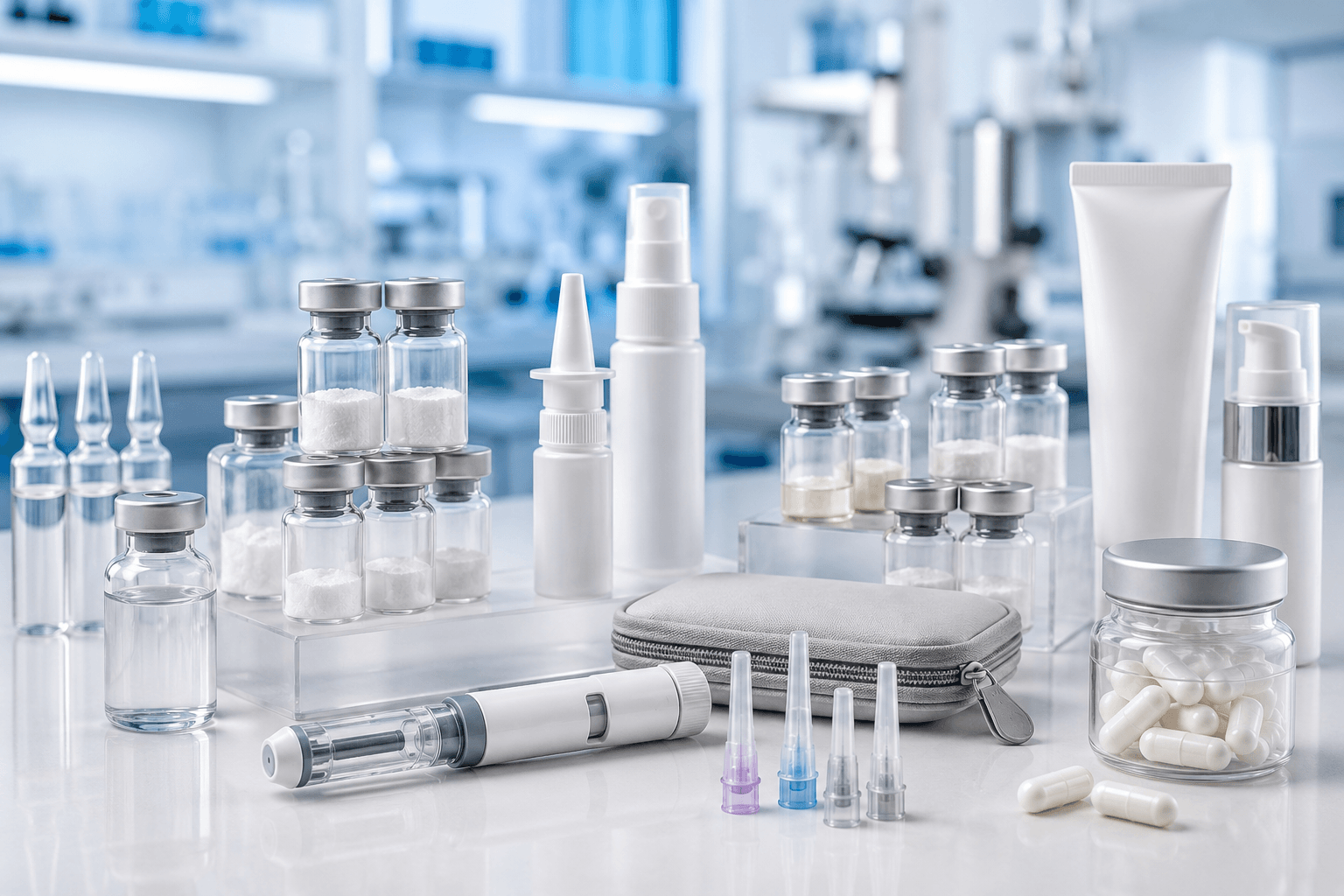
Being able to source the same peptide from a single supplier in different delivery formats represents a significant practical advantage for researchers. It conserves time, reduces variability between suppliers, and simplifies procurement. Pharma Lab offers research peptides in eight distinct formats designed to meet the demands of diverse experimental and research protocols.
The core format for research peptide work. Each vial contains peptide powder lyophilized under nitrogen-flushed conditions for oxidation protection. The freeze-drying process preserves molecular integrity and ensures a long shelf life. Vials are offered in various dosage sizes and require reconstitution with bacteriostatic water before use. This format covers the widest range of research applications and provides maximum dose flexibility.
Pre-formulated intranasal delivery systems available in 15ml and 30ml bottles. They deliver a ready-to-use formulation without reconstitution, enabling precision dosing through a calibrated spray mechanism. Nasal sprays are especially beneficial for research focused on intranasal delivery pathways, mucosal absorption kinetics, and the direct nose-to-brain route that bypasses certain systemic metabolic barriers.
Pre-filled pen devices with dosage adjusted through a dial mechanism. Each kit comes with a cartridge containing pre-mixed solution, the pen device itself, needle tips, and a carry case. For continuing studies, additional cartridges can be purchased individually. This format offers the highest dosing precision and reproducibility, suited to protocols that depend on repeated standardised delivery over time.
Designed to support oral bioavailability research. Each container holds individually sealed capsules, each with a precise peptide amount, enabling accurate oral dosing for studies examining gastrointestinal absorption, gastric stability, and the systemic effects of orally delivered peptides.
Blends bring together two or more peptides in a single formulation for the study of synergistic effects. Combos are combinations of individual compounds that work well together but are kept separate, allowing researchers to handle them independently. Both approaches serve different experimental design needs.
Topical formulations are designed for localised application research such as wound healing and dermatology studies. Consumables include all supporting elements for safe peptide preparation and administration, from bacteriostatic water to replacement pen needles, ensuring the entire workflow is covered.
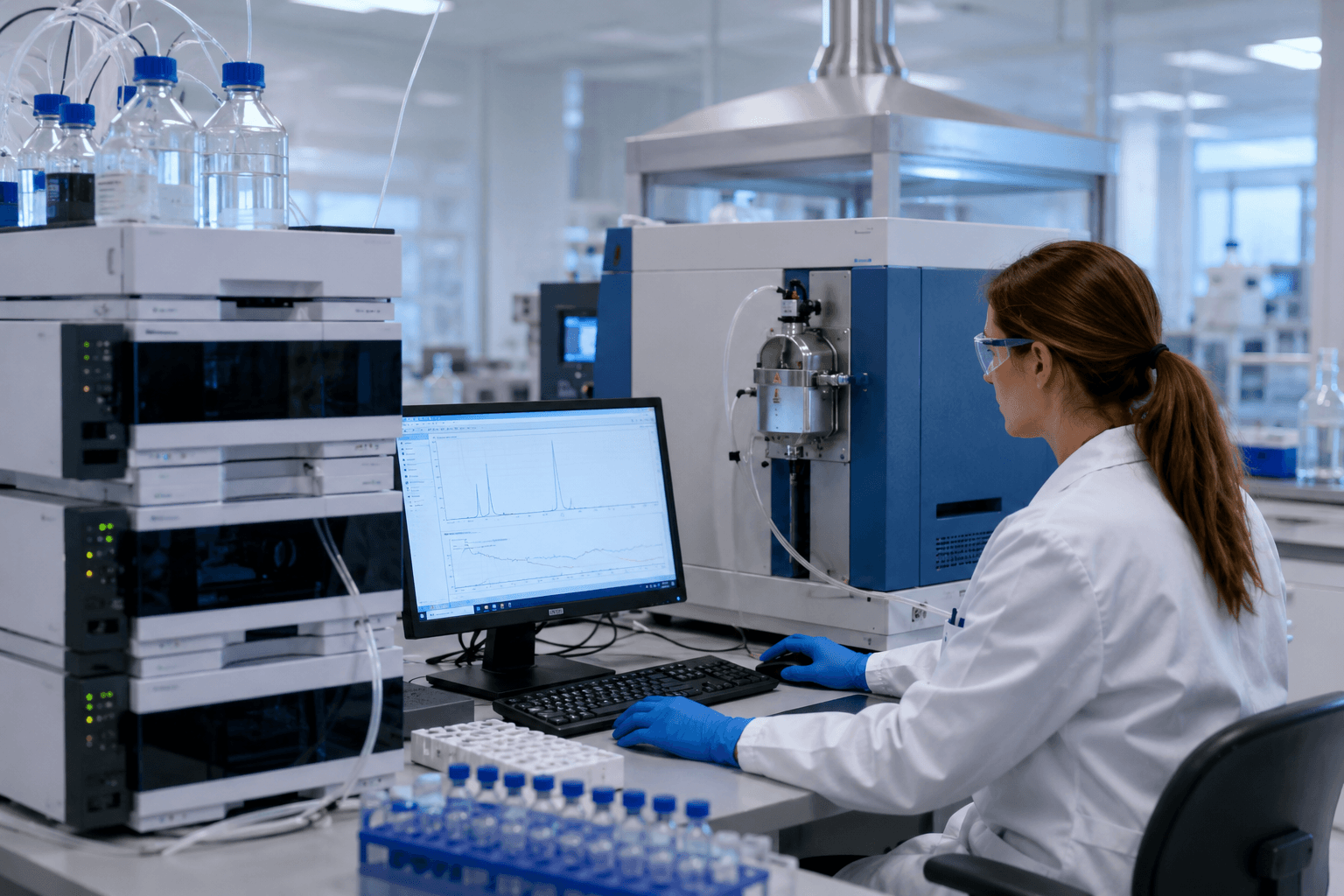
At Pharma Lab, quality is not a feature — it is the foundation upon which every other service is built. Without verified purity and molecular identity, even the most sophisticated experimental design will produce unreliable results. Quality assurance at Pharma Lab is a continuous service that drives standards at every step, from manufacturing oversight to final delivery.
Every product undergoes High-Performance Liquid Chromatography purification. HPLC achieves the precision needed to separate the target peptide from synthesis impurities, truncated sequences, and degradation products. After purification, each batch is then analysed through mass spectrometry to confirm molecular identity by ensuring the measured molecular weight matches the expected value for its amino acid sequence. These two steps — purification followed by identity verification — guarantee that the label matches what is in the vial. Pharma Lab maintains a purity standard above 99 percent for complex peptides, and HPLC test certificates are provided for every product in the catalogue.
Quality begins at the source. Pharma Lab sources peptides directly from manufacturers, never through intermediaries, brokers, or third-party wholesalers. This direct relationship gives the company complete visibility over production standards, batch consistency, and chain of custody from synthesis through to packaging. All products can be traced back through the supply chain. Even the lyophilization process is quality-controlled, with peptides freeze-dried under defined conditions and flushed with nitrogen to prevent oxidative degradation during storage.
One of the most telling qualities of Pharma Lab's quality assurance service is its openness to external verification. Customers are actively encouraged to submit products to any certified laboratory for third-party testing using mass spectrometry, amino acid analysis, MALDI mass spectrometry, or HPLC. A supplier that welcomes scrutiny is one that knows exactly what its products contain. That kind of transparency should be a necessity for any researcher depending on the integrity of the compounds they use.
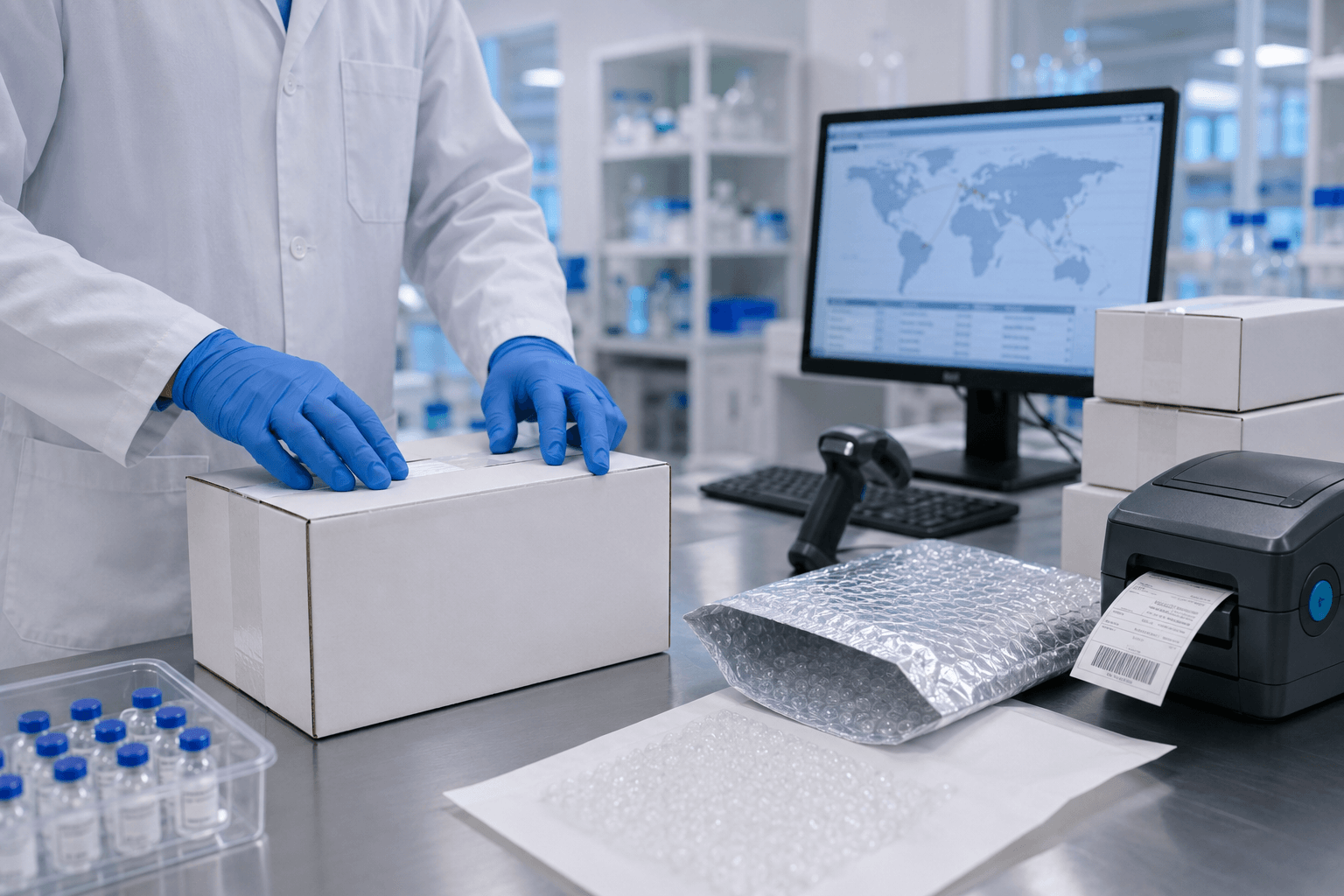
A peptide is only valuable if it reaches the laboratory intact and on time. The logistics service at Pharma Lab is designed with this reality firmly in mind, treating shipping not as a conclusion to the process but as an extension of the product itself, held to the same standard of quality.
All orders are dispatched within 24 to 48 hours of confirmed payment. Every shipment, regardless of its destination, includes full tracking and signature confirmation as standard. Tracking is not a premium tier — it accompanies every single order. Researchers can follow their package from the moment it leaves the facility until the moment it arrives, enabling laboratory teams to plan their schedules around anticipated delivery windows.
Packaging is both discreet and protective. Orders are shipped with no external indication of what the package contains. The only visible details are the recipient's name and address, along with a return address. Products are secured within the packaging for transit. Lyophilized peptides are stable across a range of temperatures, but direct sunlight represents the greatest environmental concern during shipping and is carefully avoided.
For international customers, Pharma Lab offers an optional shipping protection programme that completely removes the risk of cross-border purchases. If an order is lost or confiscated during shipment, it is re-shipped free of charge. If the replacement does not arrive either, a full refund is issued. The company provides shipping to the United Kingdom, continental Europe, the United States, Asia, and numerous other international destinations, with premium shipping for time-sensitive orders delivering in approximately three to five business days and standard shipping available for routine orders on longer timeframes.

Beyond the products and logistics is a team that takes the support side of the business personally. Unlike a call centre staffed by generalists reading from scripts, Pharma Lab's customer support is provided by a knowledgeable team that understands peptide science, research protocols, and the real questions researchers encounter in their daily work.
Communications are monitored at all hours, every day. This is essential for an international customer base spanning every time zone. Enquiries related to product selection, peptide solubility and reconstitution protocols, storage recommendations, order status, or general shipping timelines are all attended to promptly by individuals who know how to answer the questions asked rather than redirect them elsewhere. For those newer to peptide work, this level of support can mean the difference between a successful experiment and a week wasted.
Education is treated as its own distinct service. Pharma Lab provides in-depth descriptions of specific peptides, including their mechanisms of action, relevant literature citations, and practical guidance for laboratory use. The material is aimed at a professional audience — data-rich, well-cited content that helps researchers decide which compounds are right for their work. All product information and educational content carries an explicit informational purpose, reflecting the company's commitment to supporting innovative research projects worldwide through knowledge, not just products.
Pharma Lab restricts access to its products by requiring all purchasers to be at least 21 years of age. The company reserves the right to validate customer credentials, further demonstrating its commitment to responsible supply within the professional research sector.

All products offered by Pharma Lab are intended for research and laboratory use only and must not be administered to human beings. They are not intended for human or animal consumption. They shall not be classified as drugs, food products, cosmetics, or medicinal products, and they shall not be marketed, labelled, or used in any such manner.
All publications of product information and articles across the Pharma Lab platform are provided solely for educational or informational purposes. Nothing on the site is intended to diagnose, treat, cure, or prevent any disease or medical condition. All products may only be handled and used under the supervision of appropriately qualified and trained research scientists who are familiar with the health and safety measures required for proper storage and disposal of research-grade chemical compounds.
By purchasing from Pharma Lab's services, buyers affirm that they are at least 21 years of age and that they understand these products are for research use only. They confirm that all materials will be used in full compliance with applicable local, state, national, and international laws regarding the purchase, possession, and use of research materials within their jurisdiction.
All product information and articles on this website are for educational purposes only. Products are for research and laboratory use. Not intended for human or animal consumption.